
School is a place where gender socialization takes place. It can both establish gender stereotypes and eliminate them, creating opportunities for the free development of each person’s talents.
Guidebook
- Typical problems
- Typical solutions
What to do:
- To the Fatherland
- To the teacher
- To the students
- Administrations
Typical problems
The most common gender issues in the school process are:
- Stereotypes in school textbooks and materials
- Gendered approaches in pedagogy
- Different requirements and expectations for girls and boys
Read more in the article “Beyond Western Theories: On the Uses and Abuses of ‘Honationalism’ in Ukraine” by Daphna Raczok and Roman Leksikov.
Typical solutions
The most common gender issues in the school process are:
- Stereotypes in school textbooks and materials
- Gendered approaches in pedagogy
- Different requirements and expectations for girls and boys
Read more in the article “Beyond Western Theories: On the Uses and Abuses of ‘Honationalism’ in Ukraine” by Daphna Raczok and Roman Leksikov.
Examples of solutions

WHAT TO DO FOR PARENTS
The most common gender issues in the school process are:
- Stereotypes in school textbooks and materials
- Gendered approaches in pedagogy
- Different requirements and expectations for girls and boys
Read more in the article “Beyond Western Theories: On the Uses and Abuses of ‘Honationalism’ in Ukraine” by Daphna Raczok and Roman Leksikov.
A good example
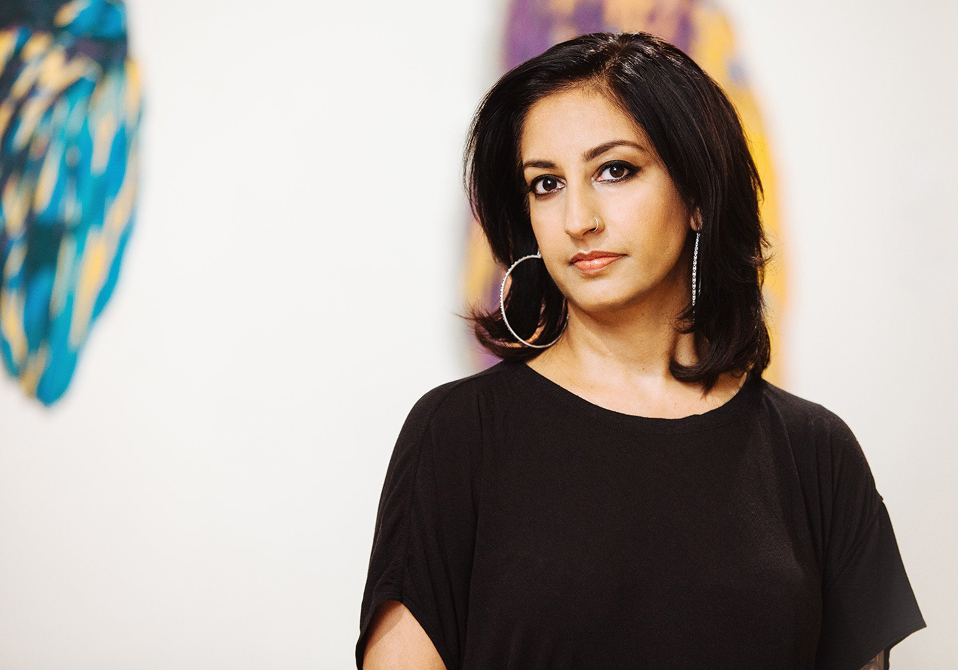
Jasbir Powar
In addition, the category “queer” emerged from the gay, lesbian, bisexual, and transgender movement as an opposition to the mainstreaming of LGBT+ and the very terminology “lesbian, gay, bisexual, and transgender people.” The word “queer,” whose original meaning was “weird” or even pejorative, was appropriated by people who did not identify with either the heterosexual cisgender majority or the community of people who were only seeking civil rights, such as nondiscrimination, same-sex marriage, etc. The category “queer” was declared to be fluid, elastic, vague, such that only one could identify with it independently (while the categories “gay” or “lesbian” were perceived as objective). Although “queer” and “LGBT” are often used interchangeably in the media, within the community there were and are both people who wanted to identify as “queer” without applying the terms “gay,” “lesbian,” “bisexual,” and vice versa.
In addition to racial differences and ideological and identificational differences, the LGBT+ community has class differences. This, and the proximity of early homophile movements to Marxist communities, unites it with the left movement.

Annamarie Jagoz
Initially, in the late 19th and early 20th centuries, the European advocacy movement of homosexual people was called homophile and aimed to create educational programs, increase tolerance, and decriminalize homosexuality. Since the 1920s, similar societies (the Mattachin Society and the Daughters of Bilitis) have appeared in the United States. Despite their small size and partly underground nature, as well as a certain, from the standpoint of modernity, conservative views (for example, a tendency to interpret homosexuality as a disease), they worked precisely as political organizations and laid the foundation for further struggle.
The Stonewall riots of 1969 are considered the starting point of a more radical and progressive movement for LGBT+ rights. The new movement differed from homophiles in that it sought not assimilation, but recognition of a separate individual homosexual identity. At the same time, a lesbian movement emerged within the feminist community, which did not share the paradigm of emancipation of heterosexual women from their husbands. Both gays and lesbians of that time initiated a concept of pride in their identity that has survived to this day.
Read more in the article “Beyond Western Theories: On the Uses and Abuses of ‘Honationalism’ in Ukraine” by Daphna Raczok and Roman Leksikov.
Initially, in the late 19th and early 20th centuries, the European advocacy movement of homosexual people was called homophile and aimed to create educational programs, increase tolerance, and decriminalize homosexuality. Since the 1920s, similar societies (the Mattachin Society and the Daughters of Bilitis) have appeared in the United States. Despite their small size and partly underground nature, as well as a certain, from the standpoint of modernity, conservative views (for example, a tendency to interpret homosexuality as a disease), they worked precisely as political organizations and laid the foundation for further struggle.
The Stonewall riots of 1969 are considered the starting point of a more radical and progressive movement for LGBT+ rights. The new movement differed from homophiles in that it sought not assimilation, but recognition of a separate individual homosexual identity. At the same time, a lesbian movement emerged within the feminist community, which did not share the paradigm of emancipation of heterosexual women from their husbands. Both gays and lesbians of that time initiated a concept of pride in their identity that has survived to this day.
Read more in the article “Beyond Western Theories: On the Uses and Abuses of ‘Honationalism’ in Ukraine” by Daphna Raczok and Roman Leksikov.



